
Beyoncé’s ‘Cowboy Carter’ T-shirt sparks controversy
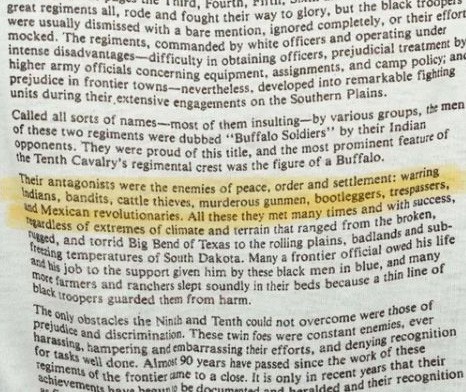
Boyonce describes “warring Indians” as antagonizers of Buffalo Soldiers and enemies of peace.
Beyoncé’s recent choice to wear a T-shirt depicting the Buffalo Soldiers during her Juneteenth performance in Paris has sparked significant controversy, reigniting debates over how American history is narrated and sometimes distorted. While she is celebrated for her artistry and cultural reclamation, this act has drawn sharp criticism, especially from Indigenous communities and historians critical of the imagery’s implications.
The T-shirt features images of Buffalo Soldiers—Black U.S. Army units active from the late 1800s until 1951. On the back, it praises the soldiers but also describes their enemies as “warring Indians, bandits, cattle thieves, murderous gunmen, bootleggers, trespassers, and Mexican revolutionaries.” Many interpret the wording as anti-Indigenous and overly simplistic, framing Native Americans and Mexican revolutionaries as obstacles to peace, while ignoring the complex histories of conquest, land theft, and displacement that shaped the West.
This depiction raises difficult questions. Indigenous critics argue that using the Buffalo Soldiers’ image in this manner perpetuates a narrative that erases Native suffering. Social media posts from Indigenous influencers highlight concerns that the imagery and language reinforce harmful stereotypes, portraying Native Americans as enemies rather than victims of genocidal policies, land dispossession, and cultural erasure.
The history of the Buffalo Soldiers is indeed complicated. While they fought in numerous conflicts for the United States, they also participated in military campaigns against Native tribes—part of the brutal Westward expansion that inflicted suffering and displacement on Indigenous peoples. Historians like Cale Carter from Houston’s Buffalo Soldiers National Museum acknowledge that earlier narratives romanticized these soldiers, emphasizing courage and Black ownership of the West. However, recent efforts aim to present a more honest, layered account of their role—including their involvement in violence against Native communities.
Beyoncé’s use of Buffalo Soldiers imagery appears to be part of a broader artistic theme. Her album “Act II: Cowboy Carter” plays with American iconography, challenging traditional whiteness in country music and reclaiming the cowboy aesthetic for Black Americans. Her success in topping country charts and winning awards underscores her intent to revisit overlooked parts of American history. Yet, critics question whether this symbolism broadly glosses over the West’s darker aspects or inadvertently supports nationalist myths of conquest and expansion.
Many feel that the language on the shirt, whether intentional or not, risks endorsing a version of history rooted in empire, violence, and dispossession. Social media discussions question if Beyoncé is, perhaps unknowingly, celebrating Black participation in these legacies—legacies intertwined with land theft, genocide, and the suppression of Indigenous voices.
This controversy underscores broader cultural debates about how history is told and whose stories are prioritized. Celebrating figures like the Buffalo Soldiers must be balanced with acknowledgment of the harm inflicted upon Indigenous communities. We need narratives that honor bravery without erasing suffering—that recognize the complexities of history rather than romanticize conquest.
As Beyoncé prepares for her upcoming performances in the U.S., this incident serves as a reminder. Artistic expression has power, but it also bears responsibility. It’s an opportunity for society—artists, scholars, and audiences alike—to critically examine the stories we promote about America’s past. Only through honest, nuanced discussion can we truly honor the multifaceted history of this country and ensure marginalized voices are neither silenced nor glorified at their expense.
The post Beyoncé’s ‘Cowboy Carter’ T-shirt sparks controversy first appeared on Native Sun News Today.
 Shared by: Native Sun News Today
July 4, 2025
Shared by: Native Sun News Today
July 4, 2025
Tags: Top News